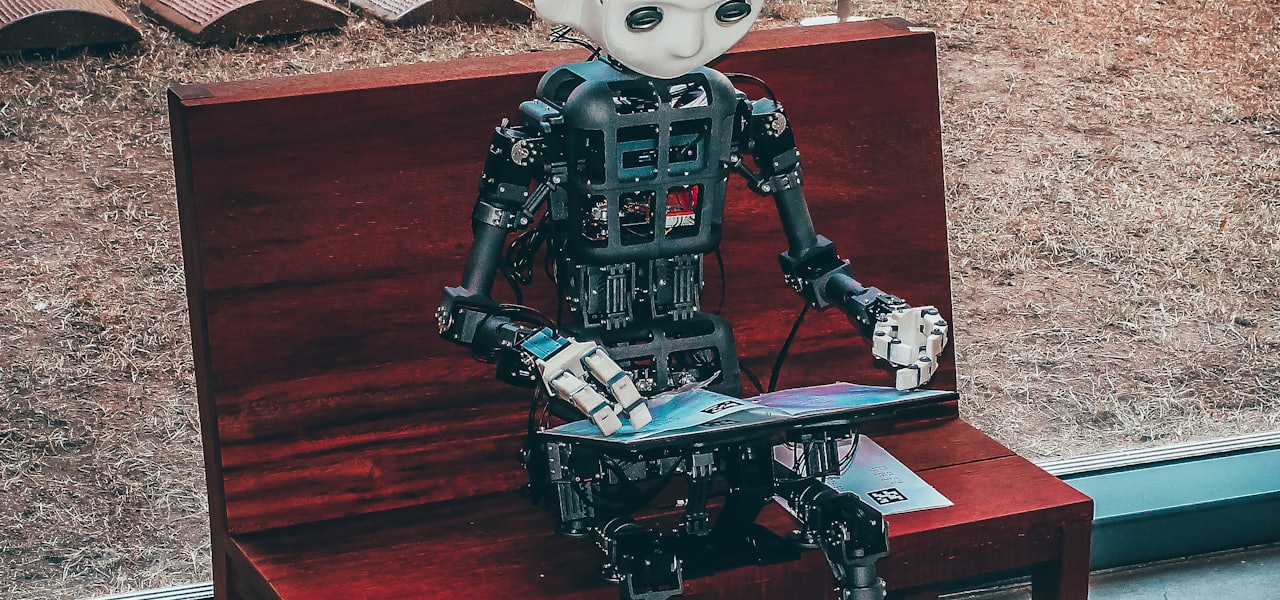
AI Chatbot On Apple Watch

AI Chatbot On Apple Watch — independent reviews, comparisons, pricing and step-by-step guides on Aizhi.

  • Web application firewall

    Web application firewall

    A Web application firewall (WAF) is a specific form of application firewall that filters, monitors, and blocks HTTP traffic to and from a web service. By inspecting HTTP traffic, it can prevent attacks exploiting a Web application's known vulnerabilities, such as SQL injection, cross-site scripting (XSS), file inclusion, and improper system configuration. Financial institutions often utilize WAFs to help in the mitigation of Web application zero-day vulnerabilities, as well as hard-to-patch bugs or weaknesses through custom attack signature strings. == History == Dedicated Web application firewalls entered the market in the late 1990s during a time when web server attacks were becoming more prevalent. Early WAF products, from Kavado and Gilian technologies, tried to solve the increasing amount of attacks on Web applications in the late 1990s. In 2002, the open-source project ModSecurity was formed in order to make WAF technology more accessible. They finalized a core rule set for protecting Web applications, based on OASIS Web Application Security Technical Committee’s (WAS TC) vulnerability work. In 2003, they expanded and standardized rules through the Open Web Application Security Project’s (OWASP) Top 10 List, an annual ranking for Web security vulnerabilities. This list would become the industry standard for Web application security compliance. Since then, the market has continued to grow and evolve, especially focusing on credit card fraud prevention. With the development of the Payment Card Industry Data Security Standard (PCI DSS), a standardization of control over cardholder data, security has become more regulated in this sector. == Description == A Web application firewall is a special type of application firewall that applies specifically to Web applications. It is deployed in front of Web applications and analyzes bi-directional web-based (HTTP) traffic – detecting and blocking anything malicious. The OWASP provides a broad technical definition for a WAF as “a security solution on the Web application level which – from a technical point of view – does not depend on the application itself”. According to the PCI DSS Information Supplement for requirement 6.6, a WAF is defined as “a security policy enforcement point positioned between a Web application and the client endpoint. This functionality can be implemented in software or hardware, running in an appliance device, or in a typical server running a common operating system. It may be a stand-alone device or integrated into other network components.” In other words, a WAF can be a virtual or physical appliance that prevents vulnerabilities in Web applications from being exploited by outside threats. These vulnerabilities may be because the application itself is a legacy type or was insufficiently coded by design. The WAF addresses these code shortcomings by special configurations of rule-sets, also known as policies. Previously unknown vulnerabilities can be discovered through penetration testing or via a vulnerability scanner. A Web application vulnerability scanner, also known as a web application security scanner, is defined in the SAMATE NIST 500-269 as “an automated program that examines Web applications for potential security vulnerabilities. In addition to searching for Web application-specific vulnerabilities, the tools also look for software coding errors.” Resolving vulnerabilities is commonly referred to as remediation. Corrections to the code can be made in the application, but typically a more prompt response is necessary. In these situations, the application of a custom policy for a unique Web application vulnerability to provide a temporary but immediate fix (known as a virtual patch) may be necessary. WAFs are not an ultimate security solution, rather they are meant to be used in conjunction with other network perimeter security solutions such as network firewalls and intrusion prevention systems to provide a holistic defense strategy. WAFs typically follow a positive security model, a negative security, or a combination of both as mentioned by the SANS Institute. WAFs use a combination of rule-based logic, parsing, and signatures to detect and prevent attacks such as cross-site scripting and SQL injection. In general, features like browser emulation, obfuscation and virtualization, and IP obfuscation are used to attempt to bypass WAFs. The OWASP produces a list of the top ten Web application security flaws. All commercial WAF offerings cover these ten flaws at a minimum. There are non-commercial options as well. As mentioned earlier, the well-known open-source WAF engine called ModSecurity is one of these options. A WAF engine alone is insufficient to provide adequate protection, therefore OWASP along with Trustwave's Spiderlabs help organize and maintain a Core-Rule Set via GitHub to use with the ModSecurity WAF engine. == Deployment options == Although the names for operating mode may differ, WAFs are basically deployed inline in three different ways. According to NSS Labs, deployment options are transparent bridge, transparent reverse proxy, and reverse proxy. "Transparent" refers to the fact that the HTTP traffic is sent straight to the Web application, therefore the WAF is transparent between the client and server. This is in contrast to reverse proxy, where the WAF acts as a proxy, and the client’s traffic is sent directly to the WAF. The WAF then separately sends filtered traffic to Web applications. This can provide additional benefits such as IP masking but may introduce disadvantages such as performance latencies. == JA3 fingerprint == JA3, developed by Salesforce in 2017, is a technique for generating a unique fingerprint for SSL/TLS traffic based on specific fields in the handshake, such as the version, cipher suites, and extensions used by the client. This fingerprint enables the identification and tracking of clients based on the characteristics of their encrypted traffic. In the context of distributed denial of service (DDoS) protection, JA3 fingerprints are used to detect and differentiate malicious traffic, often associated with attack bots, from legitimate traffic, allowing for more precise filtering of potential threats. In September 2023, AWS WAF announced built-in support for JA3, enabling customers to inspect the JA3 fingerprints of incoming requests. JA3 was deprecated in May 2025 in favor of JA4. JA4 is currently patent pending.

    Read more →
  • Deep tomographic reconstruction

    Deep tomographic reconstruction

    Deep Tomographic Reconstruction is a set of methods for using deep learning methods to perform tomographic reconstruction of medical and industrial images. It uses artificial intelligence and machine learning, especially deep artificial neural networks or deep learning, to overcome challenges such as measurement noise, data sparsity, image artifacts, and computational inefficiency. This approach has been applied across various imaging modalities, including CT, MRI, PET, SPECT, ultrasound, and optical imaging == Historical background == Traditional tomographic reconstruction relies on analytic methods such as filtered back-projection, or iterative methods which incrementally compute inverse transformations from measurement data (e.g., Radon or Fourier transform data). However, these approaches are not sufficient for certain imaging techniques such as low-dose CT and fast MRI, or scenarios involving metal artifacts and patient motion. == Use in imaging modalities == === Computed tomography (CT) === In CT, deep learning models can be particularly effective in reducing radiation exposure while maintaining image quality. Deep neural networks can also be able to reconstruct images of fair quality from sparsely sampled data without sacrificing diagnostic performance. Deep learning-based generative AI models can reduce CT metal artifacts. === Magnetic resonance imaging (MRI) === In magnetic resonance imaging (MRI), deep learning can lead to reduced MRI motion artifacts, and increased acquisition speed, referred to as fast MRI. Despite suffering from disadvantages such as lower signal-to-noise ratio (SNR), deep learning can enhance image quality in low field MRI, making these systems clinically viable. === Positron emission tomography (PET) and single-photon emission CT (SPECT) === For PET imaging, deep learning models can provide substantial improvements in low-dose imaging and motion artifact correction. Also, deep learning can help SPECT for generation of attenuation background. A notable technique for PET denoising involves integrating MR data through multimodal networks, which use anatomical information from MRI to enhance PET image quality. === Ultrasound imaging === Deep learning can enhance ultrasound imaging by reducing speckle noise and motion blur. For ultrasound beamforming, deep neural networks can allow superior image quality with limited data at high speed. === Optical imaging and microscopy === Diffuse optical tomography, optical coherence tomography and microscopy can be improved by deep neural networks beyond traditional methods. Furthermore, deep learning can also enhance Photoacoustic imaging (see Deep learning in photoacoustic imaging), addressing challenges like high noise, low contrast, and limited resolution. Deep learning has also been applied to label-free live-cell imaging, where convolutional neural networks predict fluorescence labels from transmitted light images, a technique known as in silico labeling. This method can enable high-throughput, non-invasive cell analysis and phenotyping without the need for traditional fluorescent dyes.

    Read more →
  • Hierarchical control system

    Hierarchical control system

    A hierarchical control system (HCS) is a form of control system in which a set of devices and governing software is arranged in a hierarchical tree. When the links in the tree are implemented by a computer network, then that hierarchical control system is also a form of networked control system. == Overview == A human-built system with complex behavior is often organized as a hierarchy. For example, a command hierarchy has among its notable features the organizational chart of superiors, subordinates, and lines of organizational communication. Hierarchical control systems are organized similarly to divide the decision making responsibility. Each element of the hierarchy is a linked node in the tree. Commands, tasks and goals to be achieved flow down the tree from superior nodes to subordinate nodes, whereas sensations and command results flow up the tree from subordinate to superior nodes. Nodes may also exchange messages with their siblings. The two distinguishing features of a hierarchical control system are related to its layers. Each higher layer of the tree operates with a longer interval of planning and execution time than its immediately lower layer. The lower layers have local tasks, goals, and sensations, and their activities are planned and coordinated by higher layers which do not generally override their decisions. The layers form a hybrid intelligent system in which the lowest, reactive layers are sub-symbolic. The higher layers, having relaxed time constraints, are capable of reasoning from an abstract world model and performing planning. A hierarchical task network is a good fit for planning in a hierarchical control system. Besides artificial systems, an animal's control systems are proposed to be organized as a hierarchy. In perceptual control theory, which postulates that an organism's behavior is a means of controlling its perceptions, the organism's control systems are suggested to be organized in a hierarchical pattern as their perceptions are constructed so. == Control system structure == The accompanying diagram is a general hierarchical model which shows functional manufacturing levels using computerised control of an industrial control system. Referring to the diagram; Level 0 contains the field devices such as flow and temperature sensors, and final control elements, such as control valves Level 1 contains the industrialised Input/Output (I/O) modules, and their associated distributed electronic processors. Level 2 contains the supervisory computers, which collate information from processor nodes on the system, and provide the operator control screens. Level 3 is the production control level, which does not directly control the process, but is concerned with monitoring production and monitoring targets Level 4 is the production scheduling level. == Applications == === Manufacturing, robotics and vehicles === Among the robotic paradigms is the hierarchical paradigm in which a robot operates in a top-down fashion, heavy on planning, especially motion planning. Computer-aided production engineering has been a research focus at NIST since the 1980s. Its Automated Manufacturing Research Facility was used to develop a five layer production control model. In the early 1990s DARPA sponsored research to develop distributed (i.e. networked) intelligent control systems for applications such as military command and control systems. NIST built on earlier research to develop its Real-Time Control System (RCS) and Real-time Control System Software which is a generic hierarchical control system that has been used to operate a manufacturing cell, a robot crane, and an automated vehicle. In November 2007, DARPA held the Urban Challenge. The winning entry, Tartan Racing employed a hierarchical control system, with layered mission planning, motion planning, behavior generation, perception, world modelling, and mechatronics. === Artificial intelligence === Subsumption architecture is a methodology for developing artificial intelligence that is heavily associated with behavior based robotics. This architecture is a way of decomposing complicated intelligent behavior into many "simple" behavior modules, which are in turn organized into layers. Each layer implements a particular goal of the software agent (i.e. system as a whole), and higher layers are increasingly more abstract. Each layer's goal subsumes that of the underlying layers, e.g. the decision to move forward by the eat-food layer takes into account the decision of the lowest obstacle-avoidance layer. Behavior need not be planned by a superior layer, rather behaviors may be triggered by sensory inputs and so are only active under circumstances where they might be appropriate. Reinforcement learning has been used to acquire behavior in a hierarchical control system in which each node can learn to improve its behavior with experience. James Albus, while at NIST, developed a theory for intelligent system design named the Reference Model Architecture (RMA), which is a hierarchical control system inspired by RCS. Albus defines each node to contain these components. Behavior generation is responsible for executing tasks received from the superior, parent node. It also plans for, and issues tasks to, the subordinate nodes. Sensory perception is responsible for receiving sensations from the subordinate nodes, then grouping, filtering, and otherwise processing them into higher level abstractions that update the local state and which form sensations that are sent to the superior node. Value judgment is responsible for evaluating the updated situation and evaluating alternative plans. World Model is the local state that provides a model for the controlled system, controlled process, or environment at the abstraction level of the subordinate nodes. At its lowest levels, the RMA can be implemented as a subsumption architecture, in which the world model is mapped directly to the controlled process or real world, avoiding the need for a mathematical abstraction, and in which time-constrained reactive planning can be implemented as a finite-state machine. Higher levels of the RMA however, may have sophisticated mathematical world models and behavior implemented by automated planning and scheduling. Planning is required when certain behaviors cannot be triggered by current sensations, but rather by predicted or anticipated sensations, especially those that come about as result of the node's actions.

    Read more →
  • Energy-based model

    Energy-based model

    An energy-based model (EBM), also called Canonical Ensemble Learning (CEL) or Learning via Canonical Ensemble (LCE), is an application of canonical ensemble formulation from statistical physics for learning from data. The approach prominently appears in generative artificial intelligence. EBMs provide a unified framework for many probabilistic and non-probabilistic approaches to such learning, particularly for training graphical and other structured models. An EBM learns the characteristics of a target dataset and generates a similar but larger dataset. EBMs detect the latent variables of a dataset and generate new datasets with a similar distribution. Energy-based generative neural networks is a class of generative models, which aim to learn explicit probability distributions of data in the form of energy-based models, the energy functions of which are parameterized by modern deep neural networks. Boltzmann machines are a special form of energy-based models with a specific parametrization of the energy. == Description == For a given input x {\displaystyle x} , the model describes an energy E θ ( x ) {\displaystyle E_{\theta }(x)} such that the Boltzmann distribution P θ ( x ) = e − β E θ ( x ) Z ( θ ) {\displaystyle P_{\theta }(x)={e^{-\beta E_{\theta }(x)} \over Z(\theta )}} is a probability (density), and typically β = 1 {\displaystyle \beta =1} . Since the normalization constant: Z ( θ ) := ∫ x ∈ X e − β E θ ( x ) d x {\displaystyle Z(\theta ):=\int _{x\in X}e^{-\beta E_{\theta }(x)}dx} (also known as the partition function) depends on all the Boltzmann factors of all possible inputs x {\displaystyle x} , it cannot be easily computed or reliably estimated during training simply using standard maximum likelihood estimation. However, for maximizing the likelihood during training, the gradient of the log-likelihood of a single training example x {\displaystyle x} is given by using the chain rule: ∂ θ log ⁡ ( P θ ( x ) ) = E x ′ ∼ P θ [ ∂ θ E θ ( x ′ ) ] − ∂ θ E θ ( x ) ( ∗ ) {\displaystyle \partial _{\theta }\log \left(P_{\theta }(x)\right)=\mathbb {E} _{x'\sim P_{\theta }}[\partial _{\theta }E_{\theta }(x')]-\partial _{\theta }E_{\theta }(x)\,()} The expectation in the above formula for the gradient can be approximately estimated by drawing samples x ′ {\displaystyle x'} from the distribution P θ {\displaystyle P_{\theta }} using Markov chain Monte Carlo (MCMC). Early energy-based models, such as the 2003 Boltzmann machine by Hinton, estimated this expectation via blocked Gibbs sampling. Newer approaches make use of more efficient Stochastic Gradient Langevin Dynamics (LD), drawing samples using: x 0 ′ ∼ P 0 , x i + 1 ′ = x i ′ − α 2 ∂ E θ ( x i ′ ) ∂ x i ′ + ϵ {\displaystyle x_{0}'\sim P_{0},x_{i+1}'=x_{i}'-{\frac {\alpha }{2}}{\frac {\partial E_{\theta }(x_{i}')}{\partial x_{i}'}}+\epsilon } , where ϵ ∼ N ( 0 , α ) {\displaystyle \epsilon \sim {\mathcal {N}}(0,\alpha )} . A replay buffer of past values x i ′ {\displaystyle x_{i}'} is used with LD to initialize the optimization module. The parameters θ {\displaystyle \theta } of the neural network are therefore trained in a generative manner via MCMC-based maximum likelihood estimation: the learning process follows an "analysis by synthesis" scheme, where within each learning iteration, the algorithm samples the synthesized examples from the current model by a gradient-based MCMC method (e.g., Langevin dynamics or Hybrid Monte Carlo), and then updates the parameters θ {\displaystyle \theta } based on the difference between the training examples and the synthesized ones – see equation ( ∗ ) {\displaystyle ()} . This process can be interpreted as an alternating mode seeking and mode shifting process, and also has an adversarial interpretation. Essentially, the model learns a function E θ {\displaystyle E_{\theta }} that associates low energies to correct values, and higher energies to incorrect values. After training, given a converged energy model E θ {\displaystyle E_{\theta }} , the Metropolis–Hastings algorithm can be used to draw new samples. The acceptance probability is given by: P a c c ( x i → x ∗ ) = min ( 1 , P θ ( x ∗ ) P θ ( x i ) ) . {\displaystyle P_{acc}(x_{i}\to x^{})=\min \left(1,{\frac {P_{\theta }(x^{})}{P_{\theta }(x_{i})}}\right).} == History == The term "energy-based models" was first coined in a 2003 JMLR paper where the authors defined a generalisation of independent components analysis to the overcomplete setting using EBMs. Other early work on EBMs proposed models that represented energy as a composition of latent and observable variables. == Characteristics == EBMs demonstrate useful properties: Simplicity and stability. The EBM is the only object that needs to be designed and trained. Separate networks need not be trained to ensure balance. Adaptive computation time. An EBM can generate sharp, diverse samples or (more quickly) coarse, less diverse samples. Given infinite time, this procedure produces true samples. Flexibility. In Variational Autoencoders (VAE) and flow-based models, the generator learns a map from a continuous space to a (possibly) discontinuous space containing different data modes. EBMs can learn to assign low energies to disjoint regions (multiple modes). Adaptive generation. EBM generators are implicitly defined by the probability distribution, and automatically adapt as the distribution changes (without training), allowing EBMs to address domains where generator training is impractical, as well as minimizing mode collapse and avoiding spurious modes from out-of-distribution samples. Compositionality. Individual models are unnormalized probability distributions, allowing models to be combined through product of experts or other hierarchical techniques. == Experimental results == On image datasets such as CIFAR-10 and ImageNet 32x32, an EBM model generated high-quality images relatively quickly. It supported combining features learned from one type of image for generating other types of images. It was able to generalize using out-of-distribution datasets, outperforming flow-based and autoregressive models. EBM was relatively resistant to adversarial perturbations, behaving better than models explicitly trained against them with training for classification. == Applications == Target applications include natural language processing, robotics and computer vision. The first energy-based generative neural network is the generative ConvNet proposed in 2016 for image patterns, where the neural network is a convolutional neural network. The model has been generalized to various domains to learn distributions of videos, and 3D voxels. They are made more effective in their variants. They have proven useful for data generation (e.g., image synthesis, video synthesis, 3D shape synthesis, etc.), data recovery (e.g., recovering videos with missing pixels or image frames, 3D super-resolution, etc), data reconstruction (e.g., image reconstruction and linear interpolation ). == Alternatives == EBMs compete with techniques such as variational autoencoders (VAEs), generative adversarial networks (GANs) or normalizing flows. == Extensions == === Joint energy-based models === Joint energy-based models (JEM), proposed in 2020 by Grathwohl et al., allow any classifier with softmax output to be interpreted as energy-based model. The key observation is that such a classifier is trained to predict the conditional probability p θ ( y | x ) = e f → θ ( x ) [ y ] ∑ j = 1 K e f → θ ( x ) [ j ] for y = 1 , … , K and f → θ = ( f 1 , … , f K ) ∈ R K , {\displaystyle p_{\theta }(y|x)={\frac {e^{{\vec {f}}_{\theta }(x)[y]}}{\sum _{j=1}^{K}e^{{\vec {f}}_{\theta }(x)[j]}}}\ \ {\text{ for }}y=1,\dotsc ,K{\text{ and }}{\vec {f}}_{\theta }=(f_{1},\dotsc ,f_{K})\in \mathbb {R} ^{K},} where f → θ ( x ) [ y ] {\displaystyle {\vec {f}}_{\theta }(x)[y]} is the y-th index of the logits f → {\displaystyle {\vec {f}}} corresponding to class y. Without any change to the logits it was proposed to reinterpret the logits to describe a joint probability density: p θ ( y , x ) = e f → θ ( x ) [ y ] Z ( θ ) , {\displaystyle p_{\theta }(y,x)={\frac {e^{{\vec {f}}_{\theta }(x)[y]}}{Z(\theta )}},} with unknown partition function Z ( θ ) {\displaystyle Z(\theta )} and energy E θ ( x , y ) = − f θ ( x ) [ y ] {\displaystyle E_{\theta }(x,y)=-f_{\theta }(x)[y]} . By marginalization, we obtain the unnormalized density p θ ( x ) = ∑ y p θ ( y , x ) = ∑ y e f → θ ( x ) [ y ] Z ( θ ) =: e − E θ ( x ) , {\displaystyle p_{\theta }(x)=\sum _{y}p_{\theta }(y,x)=\sum _{y}{\frac {e^{{\vec {f}}_{\theta }(x)[y]}}{Z(\theta )}}=:e^{-E_{\theta }(x)},} therefore, E θ ( x ) = − log ⁡ ( ∑ y e f → θ ( x ) [ y ] Z ( θ ) ) , {\displaystyle E_{\theta }(x)=-\log \left(\sum _{y}{\frac {e^{{\vec {f}}_{\theta }(x)[y]}}{Z(\theta )}}\right),} so that any classifier can be used to define an energy function E θ ( x ) {\displaystyle E_{\theta }(x)} .

    Read more →
  • Audio inpainting

    Audio inpainting

    Audio inpainting (also known as audio interpolation) is an audio restoration task which deals with the reconstruction of missing or corrupted portions of a digital audio signal. Inpainting techniques are employed when parts of the audio have been lost due to various factors such as transmission errors, data corruption or errors during recording. The goal of audio inpainting is to fill in the gaps (i.e., the missing portions) in the audio signal seamlessly, making the reconstructed portions indistinguishable from the original content and avoiding the introduction of audible distortions or alterations. Many techniques have been proposed to solve the audio inpainting problem and this is usually achieved by analyzing the temporal and spectral information surrounding each missing portion of the considered audio signal. Classic methods employ statistical models or digital signal processing algorithms to predict and synthesize the missing or damaged sections. Recent solutions, instead, take advantage of deep learning models, thanks to the growing trend of exploiting data-driven methods in the context of audio restoration. Depending on the extent of the lost information, the inpainting task can be divided in three categories. Short inpainting refers to the reconstruction of few milliseconds (approximately less than 10) of missing signal, that occurs in the case of short distortions such as clicks or clipping. In this case, the goal of the reconstruction is to recover the lost information exactly. In long inpainting instead, with gaps in the order of hundreds of milliseconds or even seconds, this goal becomes unrealistic, since restoration techniques cannot rely on local information. Therefore, besides providing a coherent reconstruction, the algorithms need to generate new information that has to be semantically compatible with the surrounding context (i.e., the audio signal surrounding the gaps). The case of medium duration gaps lays between short and long inpainting. It refers to the reconstruction of tens of millisecond of missing data, a scale where the non-stationary characteristic of audio already becomes important. == Definition == Consider a digital audio signal x {\displaystyle \mathbf {x} } . A corrupted version of x {\displaystyle \mathbf {x} } , which is the audio signal presenting missing gaps to be reconstructed, can be defined as x ~ = m ∘ x {\displaystyle \mathbf {\tilde {x}} =\mathbf {m} \circ \mathbf {x} } , where m {\displaystyle \mathbf {m} } is a binary mask encoding the reliable or missing samples of x {\displaystyle \mathbf {x} } , and ∘ {\displaystyle \circ } represents the element-wise product. Audio inpainting aims at finding x ^ {\displaystyle \mathbf {\hat {x}} } (i.e., the reconstruction), which is an estimation of x {\displaystyle \mathbf {x} } . This is an ill-posed inverse problem, which is characterized by a non-unique set of solutions. For this reason, similarly to the formulation used for the inpainting problem in other domains, the reconstructed audio signal can be found through an optimization problem that is formally expressed as x ^ ∗ = argmin X ^ L ( m ∘ x ^ , x ~ ) + R ( x ^ ) {\displaystyle \mathbf {\hat {x}} ^{}={\underset {\hat {\mathbf {X} }}{\text{argmin}}}~L(\mathbf {m} \circ \mathbf {\hat {x}} ,\mathbf {\tilde {x}} )+R(\mathbf {\hat {x}} )} . In particular, x ^ ∗ {\displaystyle \mathbf {\hat {x}} ^{}} is the optimal reconstructed audio signal and L {\displaystyle L} is a distance measure term that computes the reconstruction accuracy between the corrupted audio signal and the estimated one. For example, this term can be expressed with a mean squared error or similar metrics. Since L {\displaystyle L} is computed only on the reliable frames, there are many solutions that can minimize L ( m ∘ x ^ , x ~ ) {\displaystyle L(\mathbf {m} \circ \mathbf {\hat {x}} ,\mathbf {\tilde {x}} )} . It is thus necessary to add a constraint to the minimization, in order to restrict the results only to the valid solutions. This is expressed through the regularization term R {\displaystyle R} that is computed on the reconstructed audio signal x ^ {\displaystyle \mathbf {\hat {x}} } . This term encodes some kind of a-priori information on the audio data. For example, R {\displaystyle R} can express assumptions on the stationarity of the signal, on the sparsity of its representation or can be learned from data. == Techniques == There exist various techniques to perform audio inpainting. These can vary significantly, influenced by factors such as the specific application requirements, the length of the gaps and the available data. In the literature, these techniques are broadly divided in model-based techniques (sometimes also referred as signal processing techniques) and data-driven techniques. === Model-based techniques === Model-based techniques involve the exploitation of mathematical models or assumptions about the underlying structure of the audio signal. These models can be based on prior knowledge of the audio content or statistical properties observed in the data. By leveraging these models, missing or corrupted portions of the audio signal can be inferred or estimated. An example of a model-based techniques are autoregressive models. These methods interpolate or extrapolate the missing samples based on the neighboring values, by using mathematical functions to approximate the missing data. In particular, in autoregressive models the missing samples are completed through linear prediction. The autoregressive coefficients necessary for this prediction are learned from the surrounding audio data, specifically from the data adjacent to each gap. Some more recent techniques approach audio inpainting by representing audio signals as sparse linear combinations of a limited number of basis functions (as for example in the Short Time Fourier Transform). In this context, the aim is to find the sparse representation of the missing section of the signal that most accurately matches the surrounding, unaffected signal. The aforementioned methods exhibit optimal performance when applied to filling in relatively short gaps, lasting only a few tens of milliseconds, and thus they can be included in the context of short inpainting. However, these signal-processing techniques tend to struggle when dealing with longer gaps. The reason behind this limitation lies in the violation of the stationarity condition, as the signal often undergoes significant changes after the gap, making it substantially different from the signal preceding the gap. As a way to overcome these limitations, some approaches add strong assumptions also about the fundamental structure of the gap itself, exploiting sinusoidal modeling or similarity graphs to perform inpainting of longer missing portions of audio signals. === Data-driven techniques === Data-driven techniques rely on the analysis and exploitation of the available audio data. These techniques often employ deep learning algorithms that learn patterns and relationships directly from the provided data. They involve training models on large datasets of audio examples, allowing them to capture the statistical regularities present in the audio signals. Once trained, these models can be used to generate missing portions of the audio signal based on the learned representations, without being restricted by stationarity assumptions. Data-driven techniques also offer the advantage of adaptability and flexibility, as they can learn from diverse audio datasets and potentially handle complex inpainting scenarios. As of today, such techniques constitute the state-of-the-art of audio inpainting, being able to reconstruct gaps of hundreds of milliseconds or even seconds. These performances are made possible by the use of generative models that have the capability to generate novel content to fill in the missing portions. For example, generative adversarial networks, which are the state-of-the-art of generative models in many areas, rely on two competing neural networks trained simultaneously in a two-player minmax game: the generator produces new data from samples of a random variable, the discriminator attempts to distinguish between generated and real data. During the training, the generator's objective is to fool the discriminator, while the discriminator attempts to learn to better classify real and fake data. In GAN-based inpainting methods the generator acts as a context encoder and produces a plausible completion for the gap only given the available information surrounding it. The discriminator is used to train the generator and tests the consistency of the produced inpainted audio. Recently, also diffusion models have established themselves as the state-of-the-art of generative models in many fields, often beating even GAN-based solutions. For this reason they have also been used to solve the audio inpainting problem, obtaining valid results. These models generate new data instances by inverting the

    Read more →
  • Anomaly detection

    Anomaly detection

    In data analysis, anomaly detection (also referred to as outlier detection and sometimes as novelty detection) is generally understood to be the identification of rare items, events or observations which deviate significantly from the majority of the data and do not conform to a well defined notion of normal behavior. Such examples may arouse suspicions of being generated by a different mechanism, or appear inconsistent with the remainder of that set of data. Anomaly detection finds application in many domains including cybersecurity, medicine, machine vision, statistics, neuroscience, law enforcement and financial fraud to name only a few. Anomalies were initially searched for clear rejection or omission from the data to aid statistical analysis, for example to compute the mean or standard deviation. They were also removed to better predictions from models such as linear regression, and more recently their removal aids the performance of machine learning algorithms. However, in many applications anomalies themselves are of interest and are the observations most desirous in the entire data set, which need to be identified and separated from noise or irrelevant outliers. Three broad categories of anomaly detection techniques exist. Supervised anomaly detection techniques require a data set that has been labeled as "normal" and "abnormal" and involves training a classifier. However, this approach is rarely used in anomaly detection due to the general unavailability of labelled data and the inherent unbalanced nature of the classes. Semi-supervised anomaly detection techniques assume that some portion of the data is labelled. This may be any combination of the normal or anomalous data, but more often than not, the techniques construct a model representing normal behavior from a given normal training data set, and then test the likelihood of a test instance to be generated by the model. Unsupervised anomaly detection techniques assume the data is unlabelled and are by far the most commonly used due to their wider and relevant application. == Definition == Many attempts have been made in the statistical and computer science communities to define an anomaly. The most prevalent ones include the following, and can be categorised into three groups: those that are ambiguous, those that are specific to a method with pre-defined thresholds usually chosen empirically, and those that are formally defined: === Ill defined === An outlier is an observation which deviates so much from the other observations as to arouse suspicions that it was generated by a different mechanism. Anomalies are instances or collections of data that occur very rarely in the data set and whose features differ significantly from most of the data. An outlier is an observation (or subset of observations) which appears to be inconsistent with the remainder of that set of data. An anomaly is a point or collection of points that is relatively distant from other points in multi-dimensional space of features. Anomalies are patterns in data that do not conform to a well-defined notion of normal behaviour. === Specific === Let T be observations from a univariate Gaussian distribution and O a point from T. Then the z-score for O is greater than a pre-selected threshold if and only if O is an outlier. == History == === Intrusion detection === The concept of intrusion detection, a critical component of anomaly detection, has evolved significantly over time. Initially, it was a manual process where system administrators would monitor for unusual activities, such as a vacationing user's account being accessed or unexpected printer activity. This approach was not scalable and was soon superseded by the analysis of audit logs and system logs for signs of malicious behavior. By the late 1970s and early 1980s, the analysis of these logs was primarily used retrospectively to investigate incidents, as the volume of data made it impractical for real-time monitoring. The affordability of digital storage eventually led to audit logs being analyzed online, with specialized programs being developed to sift through the data. These programs, however, were typically run during off-peak hours due to their computational intensity. The 1990s brought the advent of real-time intrusion detection systems capable of analyzing audit data as it was generated, allowing for immediate detection of and response to attacks. This marked a significant shift towards proactive intrusion detection. As the field has continued to develop, the focus has shifted to creating solutions that can be efficiently implemented across large and complex network environments, adapting to the ever-growing variety of security threats and the dynamic nature of modern computing infrastructures. == Applications == Anomaly detection is applicable in a very large number and variety of domains, and is an important subarea of unsupervised machine learning. As such it has applications in cyber-security, intrusion detection, fraud detection, fault detection, system health monitoring, event detection in sensor networks, detecting ecosystem disturbances, defect detection in images using machine vision, medical diagnosis and law enforcement. === Intrusion detection === Anomaly detection was proposed for intrusion detection systems (IDS) by Dorothy Denning in 1986. Anomaly detection for IDS is normally accomplished with thresholds and statistics, but can also be done with soft computing, and inductive learning. Types of features proposed by 1999 included profiles of users, workstations, networks, remote hosts, groups of users, and programs based on frequencies, means, variances, covariances, and standard deviations. The counterpart of anomaly detection in intrusion detection is misuse detection. === Fintech fraud detection === Anomaly detection is vital in fintech for fraud prevention. === Preprocessing === Preprocessing data to remove anomalies can be an important step in data analysis, and is done for a number of reasons. Statistics such as the mean and standard deviation are more accurate after the removal of anomalies, and the visualisation of data can also be improved. In supervised learning, removing the anomalous data from the dataset often results in a statistically significant increase in accuracy. === Video surveillance === Anomaly detection has become increasingly vital in video surveillance to enhance security and safety. With the advent of deep learning technologies, methods using Convolutional Neural Networks (CNNs) and Simple Recurrent Units (SRUs) have shown significant promise in identifying unusual activities or behaviors in video data. These models can process and analyze extensive video feeds in real-time, recognizing patterns that deviate from the norm, which may indicate potential security threats or safety violations. An important aspect for video surveillance is the development of scalable real-time frameworks. Such pipelines are required for processing multiple video streams with low computational resources. === IT infrastructure === In IT infrastructure management, anomaly detection is crucial for ensuring the smooth operation and reliability of services. These are complex systems, composed of many interactive elements and large data quantities, requiring methods to process and reduce this data into a human and machine interpretable format. Techniques like the IT Infrastructure Library (ITIL) and monitoring frameworks are employed to track and manage system performance and user experience. Detected anomalies can help identify and pre-empt potential performance degradations or system failures, thus maintaining productivity and business process effectiveness. === IoT systems === Anomaly detection is critical for the security and efficiency of Internet of Things (IoT) systems. It helps in identifying system failures and security breaches in complex networks of IoT devices. The methods must manage real-time data, diverse device types, and scale effectively. Garg et al. have introduced a multi-stage anomaly detection framework that improves upon traditional methods by incorporating spatial clustering, density-based clustering, and locality-sensitive hashing. This tailored approach is designed to better handle the vast and varied nature of IoT data, thereby enhancing security and operational reliability in smart infrastructure and industrial IoT systems. === Petroleum industry === Anomaly detection is crucial in the petroleum industry for monitoring critical machinery. A 2015 paper proposed a novel segmentation algorithm using support vector machines to analyze sensor data for real-time anomaly detection. === Oil and gas pipeline monitoring === In the oil and gas sector, anomaly detection is not just crucial for maintenance and safety, but also for environmental protection. Aljameel et al. propose an advanced machine learning-based model for detecting minor leaks in oil and gas pipelines, a task traditional methods may miss.

    Read more →
  • Labeled data

    Labeled data

    Labeled data is a group of samples that have been tagged with one or more labels. Labeling typically takes a set of unlabeled data and augments each piece of it with informative tags called judgments. For example, a data label might indicate whether a photo contains a horse or a cow, which words were uttered in an audio recording, what type of action is being performed in a video, what the topic of a news article is, what the overall sentiment of a tweet is, or whether a dot in an X-ray is a tumor. Labels can be obtained by having humans make judgments about a given piece of unlabeled data. Labeled data is significantly more expensive to obtain than the raw unlabeled data. The quality of labeled data directly influences the performance of supervised machine learning models in operation, as these models learn from the provided labels. == Crowdsourced labeled data == In 2006, Fei-Fei Li, the co-director of the Stanford Human-Centered AI Institute, initiated research to improve the artificial intelligence models and algorithms for image recognition by significantly enlarging the training data. The researchers downloaded millions of images from the World Wide Web and a team of undergraduates started to apply labels for objects to each image. In 2007, Li outsourced the data labeling work on Amazon Mechanical Turk, an online marketplace for digital piece work. The 3.2 million images that were labeled by more than 49,000 workers formed the basis for ImageNet, one of the largest hand-labeled database for outline of object recognition. == Automated data labelling == After obtaining a labeled dataset, machine learning models can be applied to the data so that new unlabeled data can be presented to the model and a likely label can be guessed or predicted for that piece of unlabeled data. == Challenges == === Data-driven bias === Algorithmic decision-making is subject to programmer-driven bias as well as data-driven bias. Training data that relies on bias labeled data will result in prejudices and omissions in a predictive model, despite the machine learning algorithm being legitimate. The labeled data used to train a specific machine learning algorithm needs to be a statistically representative sample to not bias the results. For example, in facial recognition systems underrepresented groups are subsequently often misclassified if the labeled data available to train has not been representative of the population,. In 2018, a study by Joy Buolamwini and Timnit Gebru demonstrated that two facial analysis datasets that have been used to train facial recognition algorithms, IJB-A and Adience, are composed of 79.6% and 86.2% lighter skinned humans respectively. === Human error and inconsistency === Human annotators are prone to errors and biases when labeling data. This can lead to inconsistent labels and affect the quality of the data set. The inconsistency can affect the machine learning model's ability to generalize well. === Domain expertise === Certain fields, such as legal document analysis or medical imaging, require annotators with specialized domain knowledge. Without the expertise, the annotations or labeled data may be inaccurate, negatively impacting the machine learning model's performance in a real-world scenario.

    Read more →
  • Problem solving

    Problem solving

    Problem solving is the process of achieving a goal by overcoming obstacles, a frequent part of most activities. Problems in need of solutions range from simple personal tasks (e.g. how to get from point A to B) to complex issues in business and technical fields. The former is an example of simple problem solving (SPS) addressing one issue, whereas the latter is complex problem solving (CPS) with multiple interrelated obstacles. Another classification of problem-solving tasks is into well-defined problems with specific obstacles and goals, and ill-defined problems in which the current situation is troublesome but it is not clear what kind of resolution to aim for. Similarly, one may distinguish formal or fact-based problems requiring psychometric intelligence, versus socio-emotional problems which depend on the changeable emotions of individuals or groups, such as tactful behavior, fashion, or gift choices. Solutions require sufficient resources and knowledge to attain the goal. Professionals such as lawyers, doctors, programmers, and consultants are largely problem solvers for issues that require technical skills and knowledge beyond general competence. Many businesses have found profitable markets by recognizing a problem and creating a solution: the more widespread and inconvenient the problem, the greater the opportunity to develop a scalable solution. There are many specialized problem-solving techniques and methods in fields such as science, engineering, business, medicine, mathematics, computer science, philosophy, and social organization. The mental techniques to identify, analyze, and solve problems are studied in psychology and cognitive sciences. Also widely researched are the mental obstacles that prevent people from finding solutions; problem-solving impediments include confirmation bias, mental set, and functional fixedness. == Definition == The term problem solving has a slightly different meaning depending on the discipline. For instance, it is a mental process in psychology and a computerized process in computer science. There are two different types of problems: ill-defined and well-defined; different approaches are used for each. Well-defined problems have specific end goals and clearly expected solutions, while ill-defined problems do not. Well-defined problems allow for more initial planning than ill-defined problems. Solving problems sometimes involves dealing with pragmatics (the way that context contributes to meaning) and semantics (the interpretation of the problem). The ability to understand what the end goal of the problem is, and what rules could be applied, represents the key to solving the problem. Sometimes a problem requires abstract thinking or coming up with a creative solution. Problem solving has two major domains: mathematical problem solving and personal problem solving. Each concerns some difficulty or barrier that is encountered. === Psychology === Problem solving in psychology refers to the process of finding solutions to problems encountered in life. Solutions to these problems are usually situation- or context-specific. The process starts with problem finding and problem shaping, in which the problem is discovered and simplified. The next step is to generate possible solutions and evaluate them. Finally a solution is selected to be implemented and verified. Problems have an end goal to be reached; how you get there depends upon problem orientation (problem-solving coping style and skills) and systematic analysis. Mental health professionals study the human problem-solving processes using methods such as introspection, behaviorism, simulation, computer modeling, and experiment. Social psychologists look into the person-environment relationship aspect of the problem and independent and interdependent problem-solving methods. Problem solving has been defined as a higher-order cognitive process and intellectual function that requires the modulation and control of more routine or fundamental skills. Empirical research shows many different strategies and factors influence everyday problem solving. Rehabilitation psychologists studying people with frontal lobe injuries have found that deficits in emotional control and reasoning can be re-mediated with effective rehabilitation and could improve the capacity of injured persons to resolve everyday problems. Interpersonal everyday problem solving is dependent upon personal motivational and contextual components. One such component is the emotional valence of "real-world" problems, which can either impede or aid problem-solving performance. Researchers have focused on the role of emotions in problem solving, demonstrating that poor emotional control can disrupt focus on the target task, impede problem resolution, and lead to negative outcomes such as fatigue, depression, and inertia. In conceptualization,human problem solving consists of two related processes: problem orientation, and the motivational/attitudinal/affective approach to problematic situations and problem-solving skills. People's strategies cohere with their goals and stem from the process of comparing oneself with others. === Cognitive sciences === Among the first experimental psychologists to study problem solving were the Gestaltists in Germany, such as Karl Duncker in The Psychology of Productive Thinking (1935). Perhaps best known is the work of Allen Newell and Herbert A. Simon. Experiments in the 1960s and early 1970s asked participants to solve relatively simple, well-defined, but not previously seen laboratory tasks. These simple problems, such as the Tower of Hanoi, admitted optimal solutions that could be found quickly, allowing researchers to observe the full problem-solving process. Researchers assumed that these model problems would elicit the characteristic cognitive processes by which more complex "real world" problems are solved. An outstanding problem-solving technique found by this research is the principle of decomposition. === Computer science === Much of computer science and artificial intelligence involves designing automated systems to solve a specified type of problem: to accept input data and calculate a correct or adequate response, reasonably quickly. Algorithms are recipes or instructions that direct such systems, written into computer programs. Steps for designing such systems include problem determination, heuristics, root cause analysis, de-duplication, analysis, diagnosis, and repair. Analytic techniques include linear and nonlinear programming, queuing systems, and simulation. A large, perennial obstacle is to find and fix errors in computer programs: debugging. === Logic === Formal logic concerns issues like validity, truth, inference, argumentation, and proof. In a problem-solving context, it can be used to formally represent a problem as a theorem to be proved, and to represent the knowledge needed to solve the problem as the premises to be used in a proof that the problem has a solution. The use of computers to prove mathematical theorems using formal logic emerged as the field of automated theorem proving in the 1950s. It included the use of heuristic methods designed to simulate human problem solving, as in the Logic Theory Machine, developed by Allen Newell, Herbert A. Simon and J. C. Shaw, as well as algorithmic methods such as the resolution principle developed by John Alan Robinson. In addition to its use for finding proofs of mathematical theorems, automated theorem-proving has also been used for program verification in computer science. In 1958, John McCarthy proposed the advice taker, to represent information in formal logic and to derive answers to questions using automated theorem-proving. An important step in this direction was made by Cordell Green in 1969, who used a resolution theorem prover for question-answering and for such other applications in artificial intelligence as robot planning. The resolution theorem-prover used by Cordell Green bore little resemblance to human problem solving methods. In response to criticism of that approach from researchers at MIT, Robert Kowalski developed logic programming and SLD resolution, which solves problems by problem decomposition. He has advocated logic for both computer and human problem solving and computational logic to improve human thinking. === Engineering === When products or processes fail, problem solving techniques can be used to develop corrective actions that can be taken to prevent further failures. Such techniques can also be applied to a product or process prior to an actual failure event—to predict, analyze, and mitigate a potential problem in advance. Techniques such as failure mode and effects analysis can proactively reduce the likelihood of problems. In either the reactive or the proactive case, it is necessary to build a causal explanation through a process of diagnosis. In deriving an explanation of effects in terms of causes, abduction generates new ideas or hypothes

    Read more →
  • Image destriping

    Image destriping

    Image destriping is the process of removing stripes or streaks from images and videos without disrupting the original image/video. These artifacts plague a range of fields in scientific imaging including atomic force microscopy, light sheet fluorescence microscopy, and planetary satellite imaging. The most common image processing techniques to reduce stripe artifacts is with Fourier filtering. Unfortunately, filtering methods risk altering or suppressing useful image data. Methods developed for multiple-sensor imaging systems in planetary satellites use statistical-based methods to match signal distribution across multiple sensors. More recently, a new class of approaches leverage compressed sensing, to regularize an optimization problem, and recover stripe free images. In many cases, these destriped images have little to no artifacts, even at low signal to noise ratios.

    Read more →
  • The 2028 Global Intelligence Crisis

    The 2028 Global Intelligence Crisis

    The 2028 Global Intelligence Crisis is a report authored by James van Geelen and Alap Shah and published by Citrini Research in February 2026, on the impact of artificial intelligence on humanity's future. Written in the form of a scenario analysis, it was viewed millions of times online and reportedly caused a fall in the stock market prices of major tech and financial firms. It also received criticism among others, for its allegedly flawed economic logic. The 'thought exercise', as the authors called it, painted a gloomy picture for the near future, where outputs keep growing while consumer's ability to spend collapses. "...driven by ai agents that don’t sleep, take sick days or require health insurance”, "outputs that are shown in national accounts increases, "but never circulates through the real economy"(which the report calls 'Ghost GDP'), the authors argued. In other words, the authors predict a scenario where the owners of the AI firms will accumulate a vast fortune but there will be scant demand from consumers as AI would cause massive unemployment. The authors caution the reader that what they make is a scenario and not a prediction. In the scenario they visualise, any service whose value proposition is “I will navigate complexity that you find tedious” is getting disrupted. The reports argues that the unique ability of human beings to analyse, decide, create, persuade, and coordinate was “the thing that could not be replicated at scale,” and call the historical scarcity of this precious entity 'friction'. When this friction becomes zero, a gamut of changes occur which then triggers a cascading of changes across the economy. ”Travel booking platforms are an early casualty; Financial advice. tax prep., and routine legal work follow suit. National unemployment rate go as high 10.2% and the S&P 500 goes for a massive 38% peak-to-trough crash. In contrast to the previous technological revolutions the high-earning professionals suffers more and get forced to take up roles in the gig economy. Labour supply becomes abundant and this cuts wages all across the economy. The dent in income for the employees then affects other sectors of the economy such as the residential mortgage market. The losses for the software companies triggers loan defaults and heralds peril for the private credit sector.

    Read more →
  • Spreading activation

    Spreading activation

    Spreading activation is a method for searching associative networks, biological and artificial neural networks, or semantic networks. The search process is initiated by labeling a set of source nodes (e.g. concepts in a semantic network) with weights or "activation" and then iteratively propagating or "spreading" that activation out to other nodes linked to the source nodes. Most often these "weights" are real values that decay as activation propagates through the network. When the weights are discrete this process is often referred to as marker passing. Activation may originate from alternate paths, identified by distinct markers, and terminate when two alternate paths reach the same node. However brain studies show that several different brain areas play an important role in semantic processing. Spreading activation in semantic networks as a model were invented in cognitive psychology to model the fan out effect. Spreading activation can also be applied in information retrieval, by means of a network of nodes representing documents and terms contained in those documents. == Cognitive psychology == As it relates to cognitive psychology, spreading activation is the theory of how the brain iterates through a network of associated ideas to retrieve specific information. The spreading activation theory presents the array of concepts within our memory as cognitive units, each consisting of a node and its associated elements or characteristics, all connected together by edges. A spreading activation network can be represented schematically, in a sort of web diagram with shorter lines between two nodes meaning the ideas are more closely related and will typically be associated more quickly to the original concept. In memory psychology, the spreading activation model holds that people organize their knowledge of the world based on their personal experiences, which in turn form the network of ideas that is the person's knowledge of the world. When a word (the target) is preceded by an associated word (the prime) in word recognition tasks, participants seem to perform better in the amount of time that it takes them to respond. For instance, subjects respond faster to the word "doctor" when it is preceded by "nurse" than when it is preceded by an unrelated word like "carrot". This semantic priming effect with words that are close in meaning within the cognitive network has been seen in a wide range of tasks given by experimenters, ranging from sentence verification to lexical decision and naming. As another example, if the original concept is "red" and the concept "vehicles" is primed, they are much more likely to say "fire engine" instead of something unrelated to vehicles, such as "cherries". If instead "fruits" was primed, they would likely name "cherries" and continue on from there. The activation of pathways in the network has everything to do with how closely linked two concepts are by meaning, as well as how a subject is primed. == Algorithm == A directed graph is populated by Nodes[ 1...N ] each having an associated activation value A [ i ] which is a real number in the range [0.0 ... 1.0]. A Link[ i, j ] connects source node[ i ] with target node[ j ]. Each edge has an associated weight W [ i, j ] usually a real number in the range [0.0 ... 1.0]. Parameters: Firing threshold F, a real number in the range [0.0 ... 1.0] Decay factor D, a real number in the range [0.0 ... 1.0] Steps: Initialize the graph setting all activation values A [ i ] to zero. Set one or more origin nodes to an initial activation value greater than the firing threshold F. A typical initial value is 1.0. For each unfired node [ i ] in the graph having an activation value A [ i ] greater than the node firing threshold F: For each Link [ i, j ] connecting the source node [ i ] with target node [ j ], adjust A [ j ] = A [ j ] + (A [ i ] W [ i, j ] D) where D is the decay factor. If a target node receives an adjustment to its activation value so that it would exceed 1.0, then set its new activation value to 1.0. Likewise maintain 0.0 as a lower bound on the target node's activation value should it receive an adjustment to below 0.0. Once a node has fired it may not fire again, although variations of the basic algorithm permit repeated firings and loops through the graph. Nodes receiving a new activation value that exceeds the firing threshold F are marked for firing on the next spreading activation cycle. If activation originates from more than one node, a variation of the algorithm permits marker passing to distinguish the paths by which activation is spread over the graph The procedure terminates when either there are no more nodes to fire or in the case of marker passing from multiple origins, when a node is reached from more than one path. Variations of the algorithm that permit repeated node firings and activation loops in the graph, terminate after a steady activation state, with respect to some delta, is reached, or when a maximum number of iterations is exceeded. == Examples ==

    Read more →
  • Outline of deep learning

    Outline of deep learning

    The following outline is provided as an overview of, and topical guide to, deep learning: Deep learning is a subfield of machine learning and artificial intelligence based on artificial neural networks with multiple processing layers. It emphasizes representation learning and is widely used in areas such as computer vision, natural language processing, speech recognition, recommender systems, robotics, and generative artificial intelligence. == Ways to categorize deep learning == A field of study A branch of artificial intelligence A subfield of machine learning A subfield of computer science A form of representation learning A class of methods based on artificial neural networks An approach used in computational statistics == History == === Precursors === Cybernetics Perceptron Connectionism Neocognitron Backpropagation === Milestones === LeNet Long short-term memory Deep belief network AlexNet Sequence to sequence learning Generative adversarial network Residual neural network Transformer BERT Generative pre-trained transformer Diffusion model === Related histories === History of artificial intelligence History of machine learning Timeline of machine learning == Core concepts == == Learning settings == Supervised learning Unsupervised learning Self-supervised learning Semi-supervised learning Reinforcement learning Transfer learning Multitask learning Multimodal learning Online machine learning Continual learning == Common tasks == Image classification Object detection Image segmentation Automatic speech recognition Neural machine translation Question answering Automatic summarization Text-to-image model Protein structure prediction == Architectures == === Feedforward and convolutional architectures === Feedforward neural network Multilayer perceptron Convolutional neural network Radial basis function network Residual neural network U-Net === Recurrent and sequence architectures === Recurrent neural network Long short-term memory Gated recurrent unit Sequence to sequence learning Recursive neural network === Representation-learning architectures === Autoencoder Denoising autoencoder Sparse autoencoder Variational autoencoder Restricted Boltzmann machine Deep belief network === Attention and transformer architectures === Attention (machine learning) Transformer BERT Generative pre-trained transformer Vision transformer === Generative and probabilistic architectures === Autoregressive model Diffusion model Energy-based model Generative adversarial network Mixture of experts === Graph and memory architectures === Graph neural network Graph convolutional network Siamese network Neural Turing machine Memory network Echo state network Capsule neural network == Neural network components and techniques == Artificial neuron Activation function Rectified linear unit Sigmoid function Softmax function Embedding Convolution Pooling layer Attention Batch normalization Layer normalization Residual connections == Training and optimization == Backpropagation Gradient descent Stochastic gradient descent Adam optimization Learning rate Loss function Cross-entropy Mean squared error Regularization Dropout Early stopping Batch normalization Data augmentation Transfer learning Knowledge distillation Ensemble learning Curriculum learning == Datasets and benchmarks == CIFAR-10 ImageNet MNIST database Common Objects in Context (COCO) General Language Understanding Evaluation (GLUE) benchmark LibriSpeech SQuAD == Applications == === Computer vision === Computer vision Facial recognition system Image classification Image segmentation Medical imaging Object detection Optical character recognition === Natural language processing === Automatic summarization Chatbot Information retrieval Large language model Natural language processing Neural machine translation Question answering Sentiment analysis === Speech and audio === Automatic speech recognition Music information retrieval Speaker recognition Speech synthesis === Science and medicine === Bioinformatics Computational biology Drug discovery Medical diagnosis Protein structure prediction === Robotics and control === Autonomous car Computer game bot Control theory Robotics === Recommendation, search, and forecasting === Anomaly detection Forecasting Fraud detection Recommender system Search engine === Generative artificial intelligence === Deepfake Generative artificial intelligence Large language model Speech synthesis Text-to-image model === Computer graphics and video games === Deep Learning Anti-Aliasing (DLAA) Deep Learning Super Sampling (DLSS) == Hardware == AMD Instinct AMD XDNA Application-specific integrated circuit Deep learning processor, Neural processing unit (NPU), or Neural Engine Field-programmable gate array General-purpose computing on graphics processing units (GPGPU) Graphics processing unit NVIDIA Deep Learning Accelerator (NVDLA) Tensor processing unit Vision processing unit Wafer-scale integration === Supporting software platforms === CUDA Metal ROCm == Software == === Open-source frameworks and libraries === === Neural network software === EDLUT Emergent Encog JOONE Neuroph NeuroSolutions OpenNN Peltarion Synapse SNNS === Platforms, tools, and deployment === Amazon SageMaker Google Colab Hugging Face Kaggle Kubeflow MLflow ONNX OpenVINO TensorFlow Hub == Algorithms for deep learning and neural networks == Backpropagation Conjugate gradient method Generalized Hebbian algorithm Gradient descent Levenberg–Marquardt algorithm Perceptron Quasi-Newton method Wake-sleep algorithm == Methods and related topics == === Representation and metric learning === Contrastive learning Embedding Feature learning Manifold learning Metric learning === Generative modeling === Autoregressive model Diffusion model Generative adversarial network Generative model Variational inference === Efficient and scalable deep learning === Knowledge distillation Low-rank approximation Mixture of experts Quantization Sparsity === Reliability, safety, and interpretability === Adversarial machine learning AI alignment Algorithmic bias Catastrophic forgetting Differential privacy Explainable artificial intelligence Federated learning Hallucination (artificial intelligence) == Conferences and workshops == Annual Meeting of the Association for Computational Linguistics Conference on Computer Vision and Pattern Recognition Conference on Neural Information Processing Systems International Conference on Computer Vision International Conference on Learning Representations International Conference on Machine Learning == Organizations == === Research laboratories and institutions === Allen Institute for AI Alberta Machine Intelligence Institute European Laboratory for Learning and Intelligent Systems Google DeepMind Meta AI Mila Microsoft Research Vector Institute === Companies === Anthropic Cerebras Cohere DeepSeek Mistral AI OpenAI Stability AI xAI == Publications == === Books === Deep Learning – Ian Goodfellow and Yoshua Bengio Neural Networks and Deep Learning – Michael Nielsen Perceptrons – Marvin Minsky and Seymour Papert === Journals === IEEE Transactions on Neural Networks and Learning Systems Neural Networks Neural Computation == Influential persons ==

    Read more →
  • T Layout

    T Layout

    The T-Layout is an architectural and design concept for web applications, specifically tailored to improve the user experience on mobile devices. It features a horizontally scrollable container divided into three distinct sections, each spanning the full width of the screen, and was developed to optimise space usage and streamline navigation. == Background == The T-Layout introduces horizontal scrolling as a complementary method to the conventional pop-up-based navigation system in mobile web applications. In this layout, the central section which is visible by default upon accessing the application, facilitates the main content of a URL address and is flanked by two "helper" sections. This approach minimises the need for extensive user movements, in order to reach navigation controls typically located at the top of the screen. It is aimed at enhancing the user experience on mobile devices by providing an easier way to access essential content such as the main navigation, e-commerce related screens, or user account related information, ensuring that those elements are readily accessible while requiring minimal user effort. The T-Layout was first implemented by E (e-streetwear.com) in their mobile web app layout, and it was inspired by the interfaces of well-tested native mobile apps like Instagram and Revolut. A study titled "Mobile Navigation and User Preferences Survey" indicated a preference among mobile app users for one-handed usage, primarily navigating with their thumb. These insights led to the T-Layout Experiment, which compared the efficiency of using swipe gestures to access navigational elements against reaching traditional navigation controls. == Development history == It was first released as the mobile layout of E in early 2023. It was originally developed based on six principles: user-centric functionality, lightweight filesize, HTML and CSS implementation with minimal or no use of JavaScript required, suitable both for browser and server-rendering architectures, intuitive design, and improved SEO. The development of the T-Layout was driven by the necessity for more ergonomic and user-friendly interfaces in mobile web applications. Its design, reminiscent of the letter 'T', emerged as a solution to several usability challenges mobile device users face, emphasising ease of access and efficient screen space utilisation. In July 2023, E formalised the concept and its technical specifications, introducing it to the web design and development community. In October 2023 the "Mobile Navigation and User Preferences Survey" was conducted, establishing that the vast majority of individuals prefer to use mobile applications by holding the phone in a one-handed grip, utilising only the thumb for gestures when possible. The subsequent "T-Layout Experiment", designed to measure the time in seconds and the distance (user effort) in pixels, required to access navigational elements by traditionally tapping on fixed-positioned controls compared to swiping anywhere on the screen. The results proved that swipe gestures require less time and much less effort. == Styling and features == The main characteristic of the T-Layout is its horizontal scrolling feature, which can improve navigation efficiency while preserving the functionality of traditionally structured user interfaces. Its Implementation can be achieved with a combination of HTML and styling with CSS as well as precompiled Scss and Sass, CSS-in-JS, and styled JSX. It can be either a purely HTML/CSS solution but JavaScript can be utilised as well to add more specific functionalities, while It can be implemented to both existing and new applications. Its application in server-side rendering architectures will ensure that all its underlying principles apply. Although principally each section in the layout has a distinct role and facilitates specific types of content, the T-Layout as a concept is versatile, and it is adaptable allowing modifications in the layout or how it's implemented to cater to the specific needs of different applications.

    Read more →
  • AIXI

    AIXI

    AIXI is a theoretical mathematical formalism for artificial general intelligence. It combines Solomonoff induction with sequential decision theory. AIXI was first proposed by Marcus Hutter in 2000 and several results regarding AIXI are proved in Hutter's 2005 book Universal Artificial Intelligence. AIXI is a reinforcement learning (RL) agent. It maximizes the expected total rewards received from the environment. Intuitively, it simultaneously considers every computable hypothesis (or environment). In each time step, it looks at every possible program and evaluates how many rewards that program generates depending on the next action taken. The promised rewards are then weighted by the subjective belief that this program constitutes the true environment. This belief is computed from the length of the program: longer programs are considered less likely, in line with Occam's razor. AIXI then selects the action that has the highest expected total reward in the weighted sum of all these programs. == Etymology == According to Hutter, the word "AIXI" can have several interpretations. AIXI can stand for AI based on Solomonoff's distribution, denoted by ξ {\displaystyle \xi } (which is the Greek letter xi), or e.g. it can stand for AI "crossed" (X) with induction (I). There are other interpretations. == Definition == AIXI is a reinforcement learning agent that interacts with some stochastic and unknown but computable environment μ {\displaystyle \mu } . The interaction proceeds in time steps, from t = 1 {\displaystyle t=1} to t = m {\displaystyle t=m} , where m ∈ N {\displaystyle m\in \mathbb {N} } is the lifespan of the AIXI agent. At time step t, the agent chooses an action a t ∈ A {\displaystyle a_{t}\in {\mathcal {A}}} (e.g. a limb movement) and executes it in the environment, and the environment responds with a "percept" e t ∈ E = O × R {\displaystyle e_{t}\in {\mathcal {E}}={\mathcal {O}}\times \mathbb {R} } , which consists of an "observation" o t ∈ O {\displaystyle o_{t}\in {\mathcal {O}}} (e.g., a camera image) and a reward r t ∈ R {\displaystyle r_{t}\in \mathbb {R} } , distributed according to the conditional probability μ ( o t r t | a 1 o 1 r 1 . . . a t − 1 o t − 1 r t − 1 a t ) {\displaystyle \mu (o_{t}r_{t}|a_{1}o_{1}r_{1}...a_{t-1}o_{t-1}r_{t-1}a_{t})} , where a 1 o 1 r 1 . . . a t − 1 o t − 1 r t − 1 a t {\displaystyle a_{1}o_{1}r_{1}...a_{t-1}o_{t-1}r_{t-1}a_{t}} is the "history" of actions, observations and rewards. The environment μ {\displaystyle \mu } is thus mathematically represented as a probability distribution over "percepts" (observations and rewards) which depend on the full history, so there is no Markov assumption (as opposed to other RL algorithms). Note again that this probability distribution is unknown to the AIXI agent. Furthermore, note again that μ {\displaystyle \mu } is computable, that is, the observations and rewards received by the agent from the environment μ {\displaystyle \mu } can be computed by some program (which runs on a Turing machine), given the past actions of the AIXI agent. The only goal of the AIXI agent is to maximize ∑ t = 1 m r t {\displaystyle \sum _{t=1}^{m}r_{t}} , that is, the sum of rewards from time step 1 to m. The AIXI agent is associated with a stochastic policy π : ( A × E ) ∗ → A {\displaystyle \pi :({\mathcal {A}}\times {\mathcal {E}})^{}\rightarrow {\mathcal {A}}} , which is the function it uses to choose actions at every time step, where A {\displaystyle {\mathcal {A}}} is the space of all possible actions that AIXI can take and E {\displaystyle {\mathcal {E}}} is the space of all possible "percepts" that can be produced by the environment. The environment (or probability distribution) μ {\displaystyle \mu } can also be thought of as a stochastic policy (which is a function): μ : ( A × E ) ∗ × A → E {\displaystyle \mu :({\mathcal {A}}\times {\mathcal {E}})^{}\times {\mathcal {A}}\rightarrow {\mathcal {E}}} , where the ∗ {\displaystyle } is the Kleene star operation. In general, at time step t {\displaystyle t} (which ranges from 1 to m), AIXI, having previously executed actions a 1 … a t − 1 {\displaystyle a_{1}\dots a_{t-1}} (which is often abbreviated in the literature as a < t {\displaystyle a_{ Read more →

  • Character computing

    Character computing

    Character computing is a trans-disciplinary field of research at the intersection of computer science and psychology. It is any computing that incorporates the human character within its context. Character is defined as all features or characteristics defining an individual and guiding their behavior in a specific situation. It consists of stable trait markers (e.g., personality, background, history, socio-economic embeddings, culture,...) and variable state markers (emotions, health, cognitive state, ...). Character computing aims at providing a holistic psychologically driven model of human behavior. It models and predicts behavior based on the relationships between a situation and character. Three main research modules fall under the umbrella of character computing: character sensing and profiling, character-aware adaptive systems, and artificial characters. == Overview == Character computing can be viewed as an extension of the well-established field of affective computing. Based on the foundations of the different psychology branches, it advocates defining behavior as a compound attribute that is not driven by either personality, emotions, situation or cognition alone. It rather defines behavior as a function of everything that makes up an individual i.e., their character and the situation they are in. Affective computing aims at allowing machines to understand and translate the non-verbal cues of individuals into affect. Accordingly, character computing aims at understanding the character attributes of an individual and the situation to translate it to predicted behavior, and vice versa. ''In practical terms, depending on the application context, character computing is a branch of research that deals with the design of systems and interfaces that can observe, sense, predict, adapt to, affect, understand, or simulate the following: character based on behavior and situation, behavior based on character and situation, or situation based on character and behavior.'' The Character-Behavior-Situation (CBS) triad is at the core of character computing and defines each of the three edges based on the other two. Character computing relies on simultaneous development from a computational and psychological perspective and is intended to be used by researchers in both fields. Its main concept is aligning the computational model of character computing with empirical results from in-lab and in-the-wild psychology experiments. The model is to be continuously built and validated through the emergence of new data. Similar to affective and personality computing, the model is to be used as a base for different applications towards improving user experience. == History == Character computing as such was first coined in its first workshop in 2017. Since then it has had 3 international workshops and numerous publications. Despite its young age, it has already drawn some interest in the research community, leading to the publication of the first book under the same title in early 2020 published by Springer Nature. Research that can be categorized under the field dates much older than 2017. The notion of combining several factors towards the explanation of behavior or traits and states has long been investigated in both Psychology and Computer Science, for example. == Character == The word character originates from the Greek word meaning “stamping tool”, referring to distinctive features and traits. Over the years it has been given many different connotations, like the moral character in philosophy, the temperament in psychology, a person in literature or an avatar in various virtual worlds, including video games. According to character computing character is a unification of all the previous definitions, by referring back to the original meaning of the word. Character is defined as the holistic concept representing all interacting trait and state markers that distinguish an individual. Traits are characteristics that mainly remain stable over time. Traits include personality, affect, socio-demographics, and general health. States are characteristics that vary in short periods of time. They include emotions, well-being, health, cognitive state. Each characteristic has many representation methods and psychological models. The different models can be combined or one model can be preset for each characteristic. This depends on the use-case and the design choices. == Areas == Research into character computing can be divided into three areas, which complement each other but can each be investigated separately. The first area is sensing and predicting character states and traits or ensuing behavior. The second area is adapting applications to certain character states or traits and the behavior they predict. It also deals with trying to change or monitor such behavior. The final area deals with creating artificial agents e.g., chatbots or virtual reality avatars that exhibit certain characteristics. The three areas are investigated separately and build on existing findings in the literature. The results of each of the three areas can also be used as a stepping stone for the next area. Each of the three areas has already been investigated on its own in different research fields with focus on different subsets of character. For example, affective computing and personality computing both cover different areas with a focus on some character components without the others to account for human behavior. == The Character-Behavior-Situation triad == Character computing is based on a holistic psychologically driven model of human behavior. Human behavior is modeled and predicted based on the relationships between a situation and a human's character. To further define character in a more formal or holistic manner, we represent it in light of the Character–Behavior–Situation triad. This highlights that character not only determines who we are but how we are, i.e., how we behave. The triad investigated in Personality Psychology is extended through character computing to the Character–Behavior–Situation triad. Any member of the CBS triad is a function of the two other members, e.g., given the situation and personality, the behavior can be predicted. Each of the components in the triad can be further decomposed into smaller units and features that may best represent the human's behavior or character in a particular situation. Character is thus behind a person's behavior in any given situation. While this is a causality relation, the correlation between the three components is often more easily used to predict the components that are most difficult to measure from those measured more easily. There are infinitely many components to include in the representation of any of C, B, and S. The challenge is always to choose the smallest subset needed for prediction of a person's behavior in a particular situation.

    Read more →